
What Useful Critique Looks Like

The strongest response to a long essay points to a particular step in its reasoning. Here is how to disagree in a way that helps both writer and reader.

A comment that says only “I disagree” tells the writer where you ended up, but not how you got there. Reader critique becomes more useful when it identifies the passage, claim, or piece of evidence where the reasoning stops working for you.

Point to the Passage

Name the claim you are responding to, or describe the section closely enough that another reader can find it. Then explain what troubles you: a definition that shifts, an inference that seems too broad, or evidence that does not support the conclusion being drawn. Specificity makes disagreement inspectable.

Show Your Reasoning

A useful objection offers more than a verdict. Explain what you think the evidence supports instead, or what additional context would change your reading. If your response depends on an assumption, say what it is; that gives others a real point to consider rather than a position to guess at.

Leave the Question Open

Not every disagreement has to end in agreement, and a comment need not settle the essay's larger questions. It can still clarify what is at stake, reveal a gap, or suggest a better way to frame the issue. If you think the argument misses something, say where—and why.
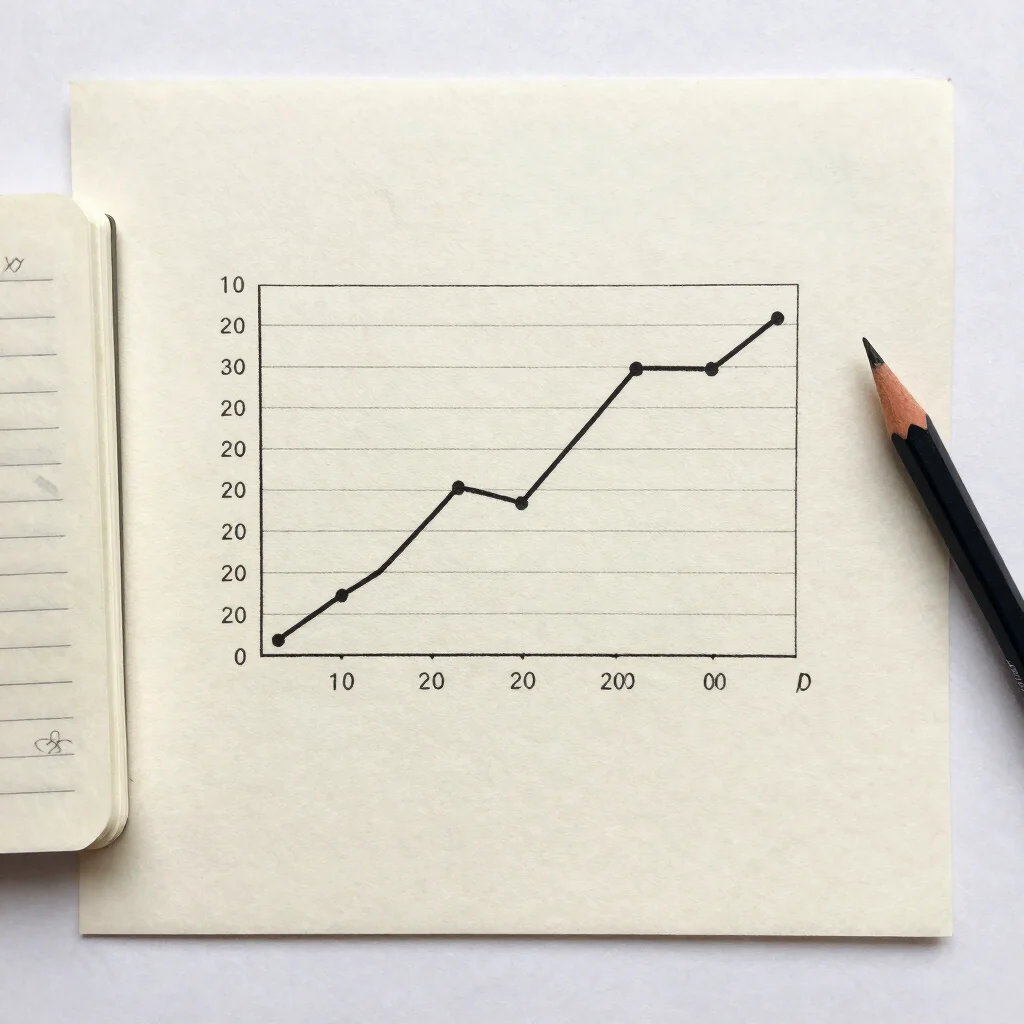
A Graph Is an Argument, Not a Verdict

A plotted line can clarify a pattern and still leave important questions open. Reading a graph well means looking at both what it shows and the choices behind it.

A graph can make a claim easier to inspect, but it cannot decide what the claim means. The shape may catch your eye first; the axes, categories, and underlying comparisons tell you what you are actually being asked to look at.

Read the Frame First

Start with the labels and units, then check the scale. A vertical axis that begins above zero can make a modest difference look dramatic, while a broad scale can make meaningful changes appear slight. Neither choice settles the argument, but both affect what the graph shows at a glance.

Separate Pattern From Cause

Two lines that rise together establish a visible relationship, not by themselves an explanation for it. Ask what is being compared, what period is covered, and whether the text offers a reason to connect the pattern to a particular cause. The graph supplies evidence; interpretation explains why that evidence matters.

Ask What Is Missing

Every chart leaves something outside its frame: a category, a timespan, a measure that could not be gathered, or context that belongs in the prose. That limit does not make the visual useless. It gives the reader a precise question to bring back to the accompanying explanation.

How to Read a Sixty-Thousand-Word Essay

A long argument asks for more than one sitting. A few simple reading habits can help you keep its questions, evidence, and turns in view.

A sixty-thousand-word essay is not a test of endurance. It is an argument with enough room to establish terms, follow evidence, and change direction; the useful question is not how quickly to finish, but how to keep track of what the essay is asking you to consider.

Begin With a Question

Before you start, write down what brought you to the essay. It might be a claim you doubt, a historical question you want clarified, or a graph whose meaning is not immediately apparent. A question gives you a thread to return to when the argument branches.

Notice the Turns

As you read, mark the moments when the essay defines a key term, introduces evidence, or draws an interpretation from that evidence. Those are different moves, even when they appear close together. Keeping them distinct makes it easier to follow the argument—and to see where you might disagree with it.

Leave Room to Return

A pause is part of reading, not a failure to keep up. After a section, note its main claim in your own words and identify one point you want to revisit. When you return, the notes can help you follow the argument without pretending that every passage carries equal weight.