
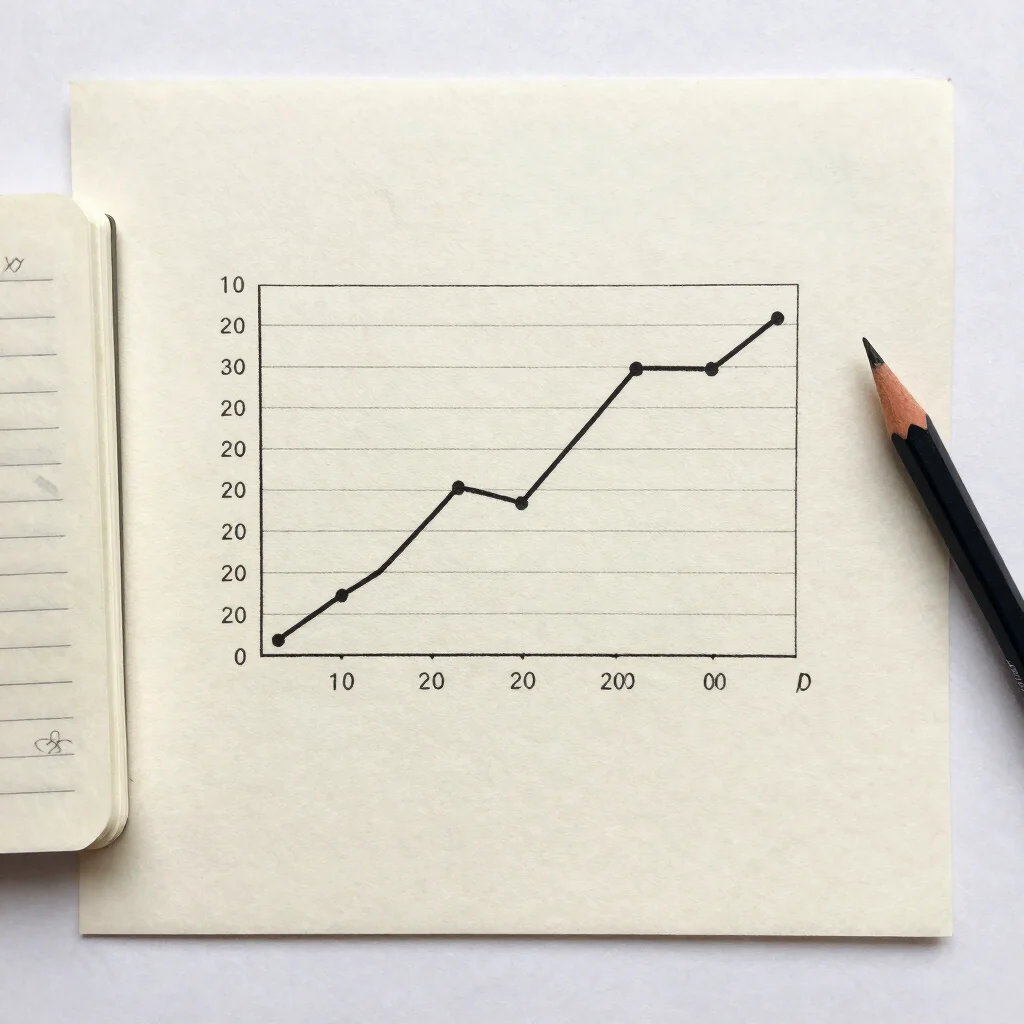
A graph can make a claim easier to inspect, but it cannot decide what the claim means. The shape may catch your eye first; the axes, categories, and underlying comparisons tell you what you are actually being asked to look at.
Read the Frame First
Start with the labels and units, then check the scale. A vertical axis that begins above zero can make a modest difference look dramatic, while a broad scale can make meaningful changes appear slight. Neither choice settles the argument, but both affect what the graph shows at a glance.
Separate Pattern From Cause
Two lines that rise together establish a visible relationship, not by themselves an explanation for it. Ask what is being compared, what period is covered, and whether the text offers a reason to connect the pattern to a particular cause. The graph supplies evidence; interpretation explains why that evidence matters.
Ask What Is Missing
Every chart leaves something outside its frame: a category, a timespan, a measure that could not be gathered, or context that belongs in the prose. That limit does not make the visual useless. It gives the reader a precise question to bring back to the accompanying explanation.